

Extended-Range Electric Vehicles (EREVs) are hybrids that use a small gas engine only to charge the battery — the wheels are always driven by the electric motor. They solve range anxiety without requiring a massive battery. But at $40,000+, they're expensive. Here's what an EREV does and how a CMVTE conversion gives you the same benefit for less.
EREV vs Other EVs
| EREV | BEV (Pure EV) | PHEV | CMVTE Conversion | |
|---|---|---|---|---|
| Wheels driven by | Electric motor only | Electric motor | Motor + engine | Electric motor |
| Gas engine | Yes (charges battery) | No | Yes (drives wheels) | No (optional range extender) |
| Battery size | 10-20 kWh | 40-100 kWh | 8-15 kWh | 9.6-33.9 kWh (you choose) |
| Electric range | 50-100 km | 250-500 km | 30-60 km | 40-170 km (you choose) |
| New vehicle cost | $35,000-$50,000 | $40,000-$60,000 | $30,000-$45,000 | $8,000-$15,000 |
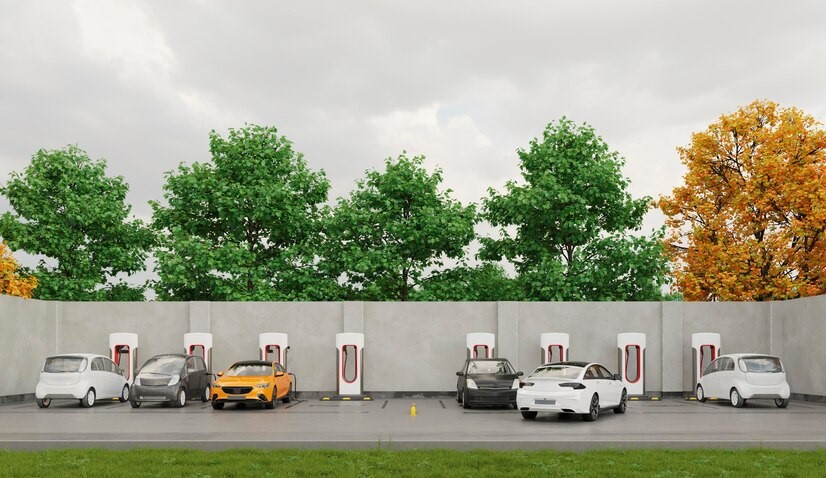
How an EREV Works
An EREV has an electric motor that drives the wheels and a small gas engine that runs a generator to charge the battery when it's low. The engine never connects to the wheels — it only spins the generator. This means the engine runs at its most efficient RPM regardless of vehicle speed. The BMW i3 with range extender and the Nissan e-Power are real-world examples.
The advantage: you get EV driving feel (instant torque, silent operation) without range anxiety. When the battery hits a low state of charge, the generator turns on and extends your range by 100-200 km.
The Problem with EREVs
- You're still paying for an entire new car: $35,000-$50,000 entry price
- You carry an engine and generator you don't use most days: Extra weight, extra maintenance
- Limited used market: Few EREV models sold, hard to find parts
- Battery still degrades: Same lithium chemistry as any EV, same replacement cost
How CMVTE Conversion Solves It Differently
Instead of buying a new EREV, convert your existing car with a battery pack sized for your daily drive. Most people drive 30-60 km per day. A 144V 105Ah (15.1 kWh) pack gives 70-90 km — enough for daily use without any gas. For the occasional long trip, you have two options:
- Add a range-extender generator: CMVTE can integrate a small gas generator (3-5 kW) that charges the battery while driving. It mounts in the trunk or under the chassis.
- Swap to a larger pack: CMVTE packs are modular. Upgrade from 15 kWh to 33 kWh when battery prices drop.
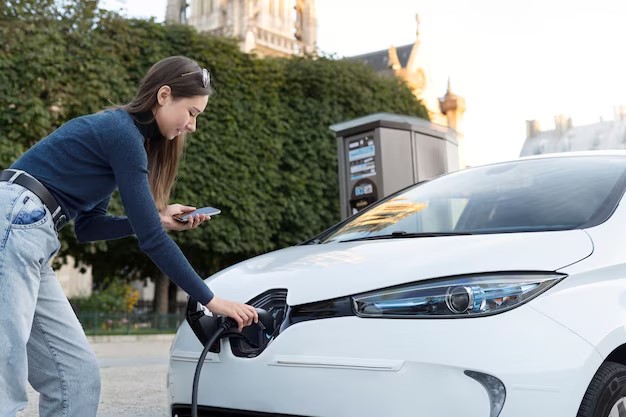
Cost Comparison: EREV vs Conversion with Range Extender
| New EREV (e.g., BMW i3 REx) | CMVTE Conversion + Range Extender | |
|---|---|---|
| Vehicle | $42,000 (used i3 REx: $20,000) | Your car (already owned) |
| Conversion kit | N/A | $8,000-$12,000 |
| Range extender generator | Included | $1,500-$2,500 |
| Installation | Included | DIY or local shop ($2,000-$5,000) |
| Total | $20,000-$42,000 | $9,500-$19,500 |
| Electric range | ~80-130 km | 70-170 km (pack dependent) |
| Extended range (with gas) | ~200-300 km total | 200+ km (generator dependent) |
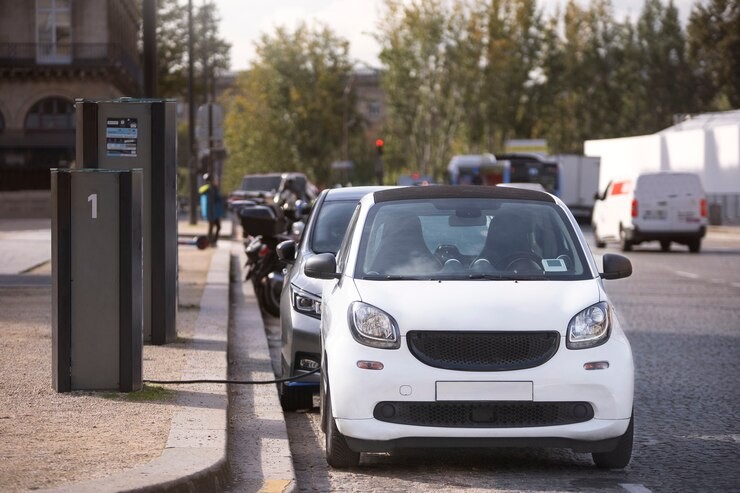
Why Conversion Makes Sense
- You keep your car — no depreciation hit
- You choose the battery size — not what the factory decided
- Add a range extender only if you actually need it
- Total cost is 50-70% less than buying any new EV or EREV
- You can remove the generator later when battery tech improves
Browse CMVTE conversion kits →
Get a Quote: Conversion with or Without Range Extender
Tell us your vehicle model, daily driving distance, and whether you need a range extender. We'll design the battery pack and generator setup with a firm price.
WhatsApp / Phone: +86 181 2358 8272
Email: [email protected]
Mention "EREV" for a conversion with range extender option pricing.


