

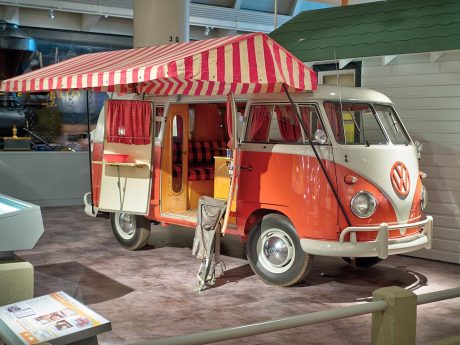
Embracing the future while treasuring the past – an electrified VW camper is the perfect marriage of nostalgia and innovation. The classic VW bus, beloved for its timeless design and free‑spirited character, is finding new life in the EV era. After deep research, the 144V 25kW permanent magnet synchronous motor (PMSM) stands out as the ideal choice. This guide explains why this setup fits the VW camper perfectly and what it means for your conversion project.
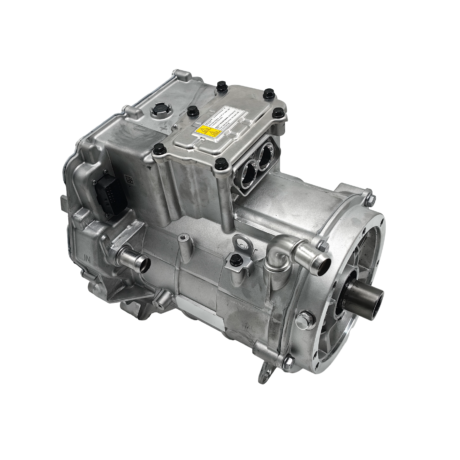
When undertaking any van conversion to electric, choosing the right van conversion electric motor is the most critical step. For VW campers, a 25kW PMSM offers an ideal balance of performance and efficiency. Though modest by modern EV standards, it delivers about 30‑35% more power than the original air‑cooled petrol engine – translating to smoother acceleration and adequate highway merging capability.
Volkswagen's 2020 e‑BULLI concept (based on a 1966 T1 Samba Bus) used a 61 kW motor with 212 N·m – twice the torque of the original. UK converter eDub Services further proved the feasibility with their "Daisy" T1 split‑screen camper. PMSMs inherently provide excellent low‑end torque, making loaded hill climbs far easier than with the original petrol engine. Industry practice suggests continuous motor power should be at least 15‑30 W per kg of vehicle weight. For a VW camper weighing 1500‑1800 kg, 25 kW (13.9‑16.7 W/kg) falls perfectly within this range.
The 144V platform is the "golden balance" – high enough to reduce current, wiring size, and losses, yet low enough to avoid the complexity and cost of 400V systems. It also enables regenerative braking, which significantly extends range in hilly terrain.
2. Why PMSM is the ideal choice for a camper van
- Higher efficiency (94‑96%) – more range per kWh.
- Excellent power density – compact and light, critical for the limited chassis space.
- Good thermal performance – stable output even under prolonged high loads like long climbs.
- Regenerative braking – recovers energy downhill, extending range.
Unlike induction motors, PMSMs maintain high efficiency over a wide speed range – meaning your battery delivers more usable range, especially important for reaching remote campsites. Specialists like Peace Vans (North America) use EV West kits that adapt directly to the original gearbox, preserving the classic shift feel and minimising engineering complexity.
3. Battery sizing & range planning
For the 144V 25kW PMSM, a battery pack of about 35‑60 kWh typically delivers 120‑200 miles (190‑320 km) of real‑world range – ample for weekend trips.
- 40 kWh – 100‑150 miles, covers ~90% of use cases.
- 62 kWh (eDub Services "Daisy") – ~175 miles for longer weekends.
- 40‑60 kWh – industry consensus for classic camper conversions, balancing range and weight.
Battery weight is typically 250‑400 kg. A well‑designed layout (front bay, original fuel tank area, under‑floor) improves centre of gravity and handling. VW’s e‑Co‑Motion concept offered 20‑40 kWh modular packs for 100‑200 km range. eDub Services also integrates CCS fast charging, solar charging, and V2L – ideal for off‑grid camping.
4. Practical implementation tips
| Consideration | Recommended practice | Key benefit |
|---|---|---|
| Kit source | Buy complete kit from a specialist (not piecemeal) | Pre‑matched components, lower integration risk |
| Cooling | Liquid‑cooled PMSM (most modern kits have it) | Stable output in heat or long climbs |
| Controller margin | Choose controller with ≥25% current margin over motor peak | Longer electronics life, handles overloads |
| Original gearbox | Use an adapter plate to retain the stock transmission | Preserves classic shift feel, reduces engineering complexity |
Weight distribution: Placing most battery mass low between the axles can actually improve handling compared to the original rear‑heavy layout.
Regulatory compliance (2026 update): Europe: Germany's TÜV requires electrical safety and insulation testing. The UK has eased rules for historic vehicles. North America varies by state – most require a certified inspection report. Always check local requirements before starting your conversion.
5. Beyond technology: the emotional dimension
Converting a VW camper to electric is more than a technical exercise – it's a dialogue across generations, giving the spirit of freedom a sustainable future. An electric drivetrain removes exhaust emissions and noise. Imagine waking up at a lakeside campsite to birdsong, not an engine starter – that's the silent camping experience.
With far fewer moving parts (no oil changes, spark plugs, air filters), maintenance is drastically reduced, leaving more time for actual travel. In 2026, the ecosystem of modular batteries and plug‑and‑play motor kits has matured significantly – even solo enthusiasts can complete a conversion with professional support.
6. Built for the next fifty years of travel
The 144V 25kW PMSM system offers the best balance of performance, efficiency, and practicality for a VW camper, within reasonable space and budget. It transforms this classic van into a quiet, clean, economical machine – smoother and more capable on long cruises than the original. Choosing the van conversion electric motor is the first step, but it's a commitment to preserving the legend while embracing electric mobility. The road ahead is electric – your classic VW camper deserves to be part of that journey.
Step on the throttle. The world opens up in silence.
Frequently Asked Questions
Can I keep the original VW gearbox with an electric motor?
Yes. Most conversion kits include an adapter plate that bolts the electric motor directly to the original gearbox housing. You retain the original shifter and clutch, giving an authentic driving feel. However, you'll typically start in second or third gear most of the time.
How long does the battery pack last?
Quality LiFePO₄ packs (common in conversions) last 3000‑5000 cycles. For a camper used 50 weekends/year, that's 30‑50 years. NMC packs last 1500‑2500 cycles – still 15‑25 years of weekend use.
Is the 25kW motor enough for highway speeds?
Yes. 25 kW (approx 34 hp) gives a top speed of 100‑110 km/h, sufficient for most highways. Acceleration from 0‑100 km/h takes ~15‑18 seconds – leisurely but comparable to the original petrol engine. For faster highway cruising, a 40‑60 kW motor is available, but it requires a larger battery and higher budget.
Can I charge the camper with solar panels?
Yes. Many builds integrate roof‑mounted solar panels (200‑400 W) to trickle‑charge the auxiliary battery or directly top up the main pack. While solar alone won't fully replenish a 40 kWh pack quickly, it's excellent for extending off‑grid stays – running lights, fridge, and fans without draining the drive battery.
What is the typical cost of a VW camper EV conversion?
A DIY conversion using a complete kit (motor, controller, adapter plate, and 35‑40 kWh battery) costs ~$12,000‑$20,000 USD. Professional installation adds $5,000‑$10,000. Higher capacity batteries (60 kWh+) and professional turn‑key conversions can exceed $35,000. However, reduced fuel and maintenance costs pay back over time.

