

Converting an Aston Martin DB6 to electric is an engineering narrative driven by power. The instant torque of an electric motor gives this British GT a thrilling new character. But power without safety is meaningless. The braking system must be completely re‑evaluated and upgraded – the factory system from half a century ago is dangerously inadequate for EV performance, even with cautious driving.
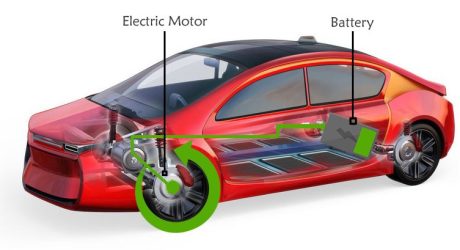
Factory DB6 weight: coupe ~1474‑1625 kg, convertible ~1466 kg. Replacing the inline‑six and gearbox with a 60‑120 kWh battery pack, drive unit, and power electronics adds 300‑500 kg. Electrogenic's DB6 uses ~60 kWh NMC; Lunaz offers 80‑120 kWh packs with 375 hp (276 kW) and 702 N·m. Post‑conversion weight: 1.9‑2.1 tonnes – similar to a large SUV. The factory brakes cannot handle this extra kinetic energy. Full system upgrade is mandatory.
2. Hydraulic hardware – calipers & discs
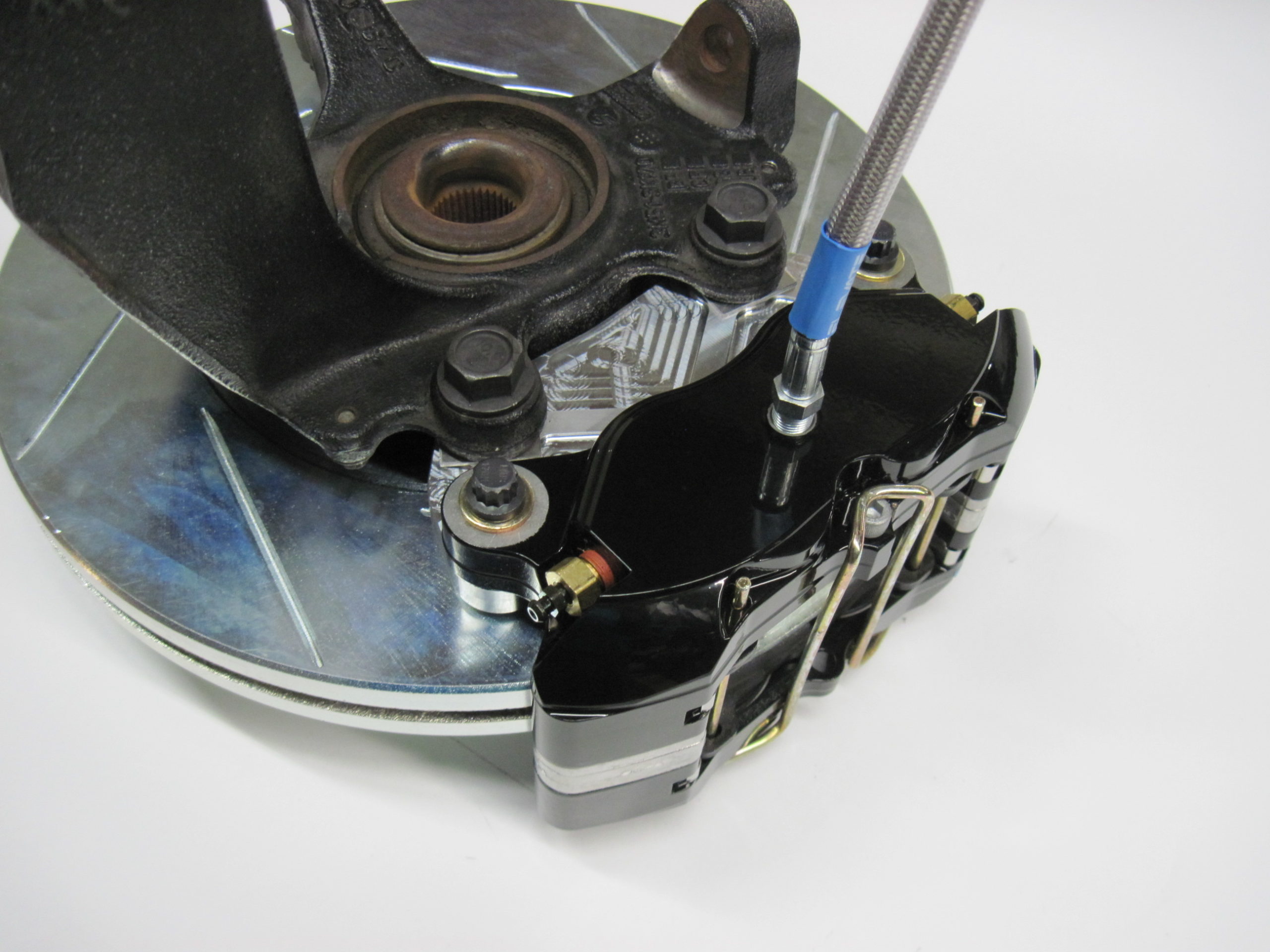
Three simultaneous upgrades: larger discs for thermal capacity, multi‑piston calipers for clamping force, and vented/slotted/drilled designs to fight fade.
- Disc diameter: Front 330‑355 mm vented; rear 300‑330 mm vented – massive heat absorption improvement.
- Slotted/drilled: Slots expel gas and dust; holes improve cooling – essential for heavy GT.
- Multi‑piston calipers: 4 or 6 piston fixed calipers (Wilwood, AP Racing, Brembo) – better clamping, heat distribution, and pedal feel.
3. Regenerative braking – unique EV advantage
Regen turns the motor into a generator, converting kinetic energy back to electricity – extending range and reducing mechanical pad wear. For a DB6, the controller must achieve seamless blending between regen and friction brakes. Using a brake pedal position sensor, the system prioritises regen; friction brakes only engage when deceleration demand exceeds regen capacity. When tuned well, the driver feels no transition – most daily deceleration happens on regen alone. This reduces friction brake intervention and places new demands on pad compound performance at low temperatures and intermittent high loads.
4. Booster transition – vacuum pump vs. electro‑hydraulic (EHB)
Simple, cost‑effective retrofit. But fan noise and potential vacuum drop in heavy traffic compromise pedal assist consistency.
Modern, precise, programmable. Millisecond pressure buildup – 3x faster than vacuum. CAN bus integration allows perfect regen‑friction blending. Preferred for GT refinement and future‑proofing.
5. Master cylinder, lines & fluid
- Master cylinder: Multi‑piston calipers change hydraulic volume – may require re‑sizing master cylinder bore to achieve correct pedal feel.
- Stainless steel braided lines: Replace rubber hoses – zero expansion under pressure, faster response, firmer pedal.
- High‑performance brake fluid: DOT 4 or DOT 5.1 with dry boiling point ≥270°C – resists vapour lock under high thermal load.
6. Brake bias adjustment – adjustable proportioning valve
Weight distribution and tyre changes alter factory brake bias. Add an adjustable proportioning valve in the rear brake line, then road‑test to fine‑tune rear pressure threshold – preventing premature front lock or rear over‑brake. EHB systems with active bias control can achieve this in software, but validation on a test track is essential.
7. Decision checklist for DB6 braking system
| Component | Recommended specification | Key consideration |
|---|---|---|
| Weight adaptation | Post‑conversion 1.9‑2.1 tonnes | Design thermal capacity for 2x margin over factory. |
| Front calipers | 4 or 6‑piston fixed (Wilwood/AP/Brembo) | Clamping force and heat management for peak kinetic energy. |
| Front discs | Vented/slotted, ≥330 mm (330‑355 mm) | Match to caliper upgrade. |
| Rear calipers | 4‑piston fixed or high‑performance floating | Maintain correct front/rear bias. |
| Rear discs | Vented, 300‑330 mm | Do not keep factory solid discs. |
| Booster | EHB (e.g. Bosch iBooster) with CAN | Seamless regen blending, consistent assist. |
| Brake lines | Stainless steel braided | Eliminate rubber hose expansion. |
| Brake fluid | DOT 4 or DOT 5.1 (dry boiling point ≥270°C) | High temperature resistance to prevent vapour lock. |
| Bias adjustment | Adjustable proportioning valve or EHB software | Validate on test track with ABS engagement. |
| Specialist converter | Experience with classic EV conversions | Non‑destructive installation, thermal testing, full system validation. |
Conclusion: Safe, refined, and confident braking
Choosing a braking system for your Aston Martin DB6 EV conversion is a multi‑variable engineering exercise. Start with the 300‑500 kg weight gain, then upgrade discs, calipers, booster, lines, fluid, and bias adjustment. Integrate regenerative braking seamlessly with an EHB system over CAN. Only a complete, professionally engineered brake system will deliver the safety, control, and driving refinement that a DB6 – even electrified – deserves.
Talk to our classic EV conversion specialists – for Aston Martin, Jaguar, Porsche, and other timeless icons.
Frequently Asked Questions
Can I keep the original DB6 servo and master cylinder?
No – the engine no longer provides vacuum. You need an electric vacuum pump or an EHB unit. The original master cylinder may also have insufficient piston area for multi‑piston calipers.
Do I need ABS on an EV‑converted DB6?
Not legally required, but highly recommended for safety. Some aftermarket ABS kits (e.g., Bosch or RaceTCS) can be integrated. However, a properly balanced non‑ABS system with adjustable proportioning valve can be very effective if calibrated correctly.
How much does a full brake upgrade for a DB6 cost?
Parts alone (calipers, discs, pads, lines, EHB, proportioning valve) typically range $5,000‑$12,000 USD. Professional installation, fabrication of caliper brackets, and calibration can double that. This is a critical safety investment – do not cut corners.
Can I use the original DB6 handbrake with the new rear brakes?
Yes, most aftermarket rear calipers incorporate a mechanical handbrake lever. Ensure the chosen rear caliper has a cable‑operated parking brake mechanism compatible with the DB6's original handbrake cables, or plan to adapt a separate small caliper.
How do I test my converted DB6's brakes?
Start with static pedal feel and low‑speed rolling stops. Move to medium‑speed deceleration tests, then high‑speed (80‑100 km/h) panic stops in a safe, closed area. Use a brake temperature sensor to monitor disc/pad temperatures. Finally, test fade resistance with repeated high‑speed stops. Always have an expert oversee validation.

