

You plug in your EV conversion at night and hear a buzzing sound from the chassis. A fan spins up, a relay clicks, and there is a faint high-frequency whine. For new EV owners, these sounds can cause concern. But they are normal — each sound correlates to a specific system doing its job.
Cooling System Sounds (Most Common)
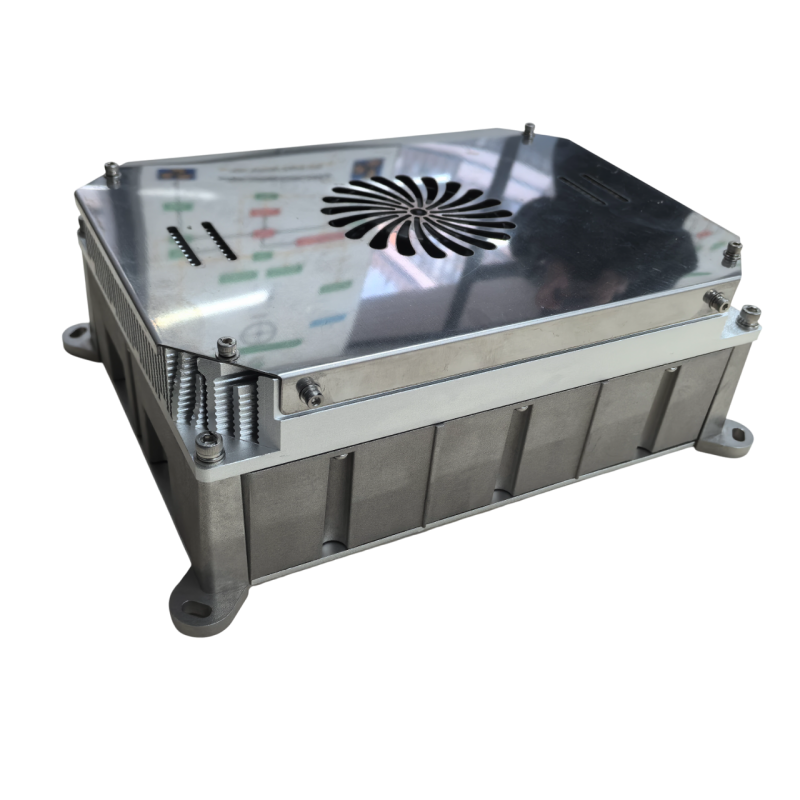
The battery pack, charger, and DC-DC converter all generate heat during charging. When the temperature exceeds 40°C, the cooling fan activates; above 50°C it runs at full speed. This produces a continuous low-frequency hum, similar to an air conditioner outdoor unit.
The intensity depends on the charge rate and ambient temperature. During a 3.3 kW AC charge in a 20°C garage, you may barely hear the fan. During a 50 kW DC fast charge on a 35°C summer day, the fan runs at maximum speed for the entire session. This is normal behaviour — the cooling system is protecting the battery from thermal damage.
In liquid-cooled systems — used by CMVTE's higher-power chargers and battery packs — you may also hear a faint water-circulation sound from the coolant pump. The pump runs continuously during charging and cycles on and off when charging is complete as the pack temperature stabilises. If the pump runs with no charging activity for more than 30 minutes after a charge session ends, check the coolant level.
Regular maintenance prevents excessive fan noise. The radiator and fan blades should be cleaned of dust and debris every 6-12 months. Blocked airflow forces the fan to run faster and louder than necessary.
Electrical System Sounds
Three electrical sounds are common during charging:
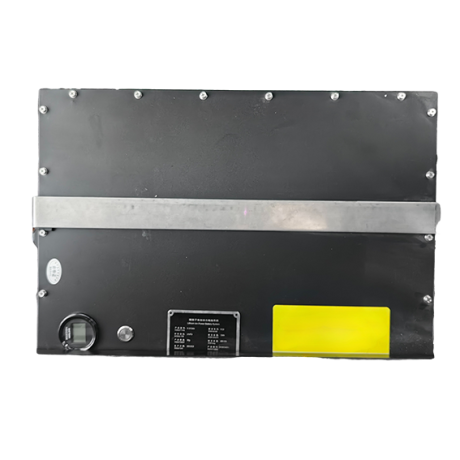
- High-frequency switching whine: The onboard charger uses high-frequency switching power supply technology, regulating voltage by switching transistors on and off thousands of times per second. This creates electromagnetic vibration in the transformer and inductors, audible as a light hum. The pitch changes with the charge current — you may hear it rise during the constant-current phase and fall during the constant-voltage taper. CMVTE's chargers use soft-switching topology to minimise this sound, but the fundamental physics of power conversion means it never disappears entirely.
- Relay click: When charging starts or stops, high-voltage relays (contactors) physically open or close the circuit. The crisp click you hear is the contactor engaging or disengaging — a sign that the HV system is safely isolating or connecting the battery. You will hear this click at the beginning and end of every charge session.
- High-frequency sizzle: A faint hissing or sizzling sound from the battery area during charging is caused by current flow through the bus bars and cell interconnects. It is more noticeable at low charge rates in a quiet garage.
AC charging typically produces a constant whine at the switching frequency of the onboard charger. DC fast charging bypasses the onboard charger entirely, so the whine is absent — instead, you hear more cooling fan noise from both the vehicle and the charging station.
Battery System Sounds
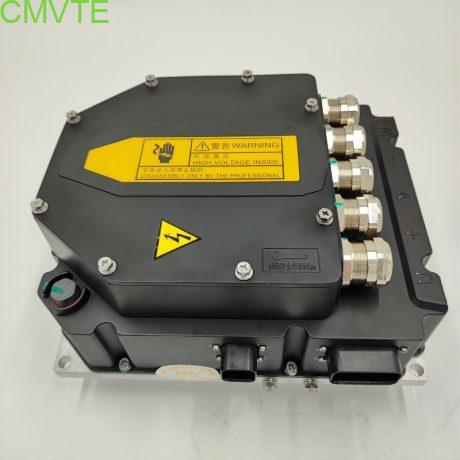
Lithium cells expand slightly when heated during charging and contract when cooling down. The metal cell housing and enclosure panels respond with a faint cracking or ticking sound — normal thermal expansion and contraction. This is more significant after fast charging in cold weather, where the temperature delta between the pack and ambient is larger.
CMVTE's LFP battery packs include foam compression layers within the enclosure to dampen these sounds. If the noises become loud or persistent, inspect the enclosure for loose fasteners.
Sounds from the Charging Station
DC fast chargers contain their own transformers and cooling fans. The hum you hear may originate from the charging station, not your vehicle. This is particularly common with 50 kW+ DC chargers used at public stations.
When to Be Concerned
Most charging sounds are normal, but a few signal problems:
- Metal grinding or scraping — fan bearing failure. Replace the fan.
- Continuous crackling plus burning smell — possible arcing or component failure. Stop charging immediately and inspect.
- Fan running at full speed with charging interrupted — cooling system blockage or sensor fault. Clean the radiator and check the coolant level.
CMVTE Advantage
CMVTE manufactures the chargers, BMS, battery packs, and cooling systems used in your EV conversion. Every component is tested for noise levels within acceptable ranges before shipment. Our charger controllers incorporate soft-switching and active filtering to reduce audible noise. If you are concerned about any sound during charging, Dr. Kevin Wang's team can help you diagnose it remotely.
Not sure about a charging noise? Send us a recording and we will help you identify it


