

As fuel prices continue increasing worldwide, many businesses and vehicle owners are searching for cost-effective alternatives to traditional gasoline transportation. This growing demand has created significant opportunities for professional autogas conversion kits manufacturers that provide fuel-saving retrofit systems for commercial fleets, utility transportation, and industrial mobility applications.
Autogas conversion systems, including LPG and CNG retrofits, remain popular in many countries because they offer lower fuel costs, reduced emissions, and improved operating efficiency compared to conventional gasoline vehicles.
Modern conversion manufacturers now provide complete fuel system integration, electronic control systems, and OEM retrofit solutions for commercial and industrial customers.
As a professional EV conversion kit manufacturer, CMVTE supports vehicle conversion projects with drivetrain integration solutions, power system engineering, and customized mobility retrofit support for global customers.
Our solutions support:
- LPG conversion systems
- Alternative fuel retrofits
- Commercial fleet upgrades
- Utility transportation projects
- Fuel-saving mobility systems
- OEM conversion applications
This guide explains how autogas conversion kits work, how to choose the right manufacturer, and what businesses should consider before starting an alternative fuel conversion project.
Looking for an Autogas Conversion Kit Manufacturer?
CMVTE provides drivetrain engineering support and customized vehicle conversion solutions for commercial mobility and alternative fuel retrofit projects.
Our Support Includes:
- Conversion system integration
- Controller matching
- Vehicle compatibility analysis
- OEM manufacturing support
- Retrofit engineering consultation
- Commercial mobility solutions
What Is an Autogas Conversion Kit?
An autogas conversion kit is a system that allows a gasoline vehicle to operate using alternative fuels such as:
- LPG (Liquefied Petroleum Gas)
- CNG (Compressed Natural Gas)
- Dual-fuel systems
These systems are designed to reduce:
- Fuel costs
- Vehicle emissions
- Operating expenses

A typical autogas conversion kit may include:
- Fuel injectors
- Pressure regulators
- Electronic control units
- Fuel tanks
- Safety valves
- Fuel line systems
Professional manufacturers usually customize systems based on:
- Vehicle type
- Fuel requirements
- Commercial application
- Operating environment
- Fleet usage conditions
Autogas conversion systems remain popular because they provide a lower-cost alternative to full EV conversion projects.
Types of Autogas Conversion Systems
Different transportation applications require different fuel conversion configurations.
LPG Conversion Systems
LPG systems are among the most widely used alternative fuel solutions globally.
Advantages include:
- Lower fuel cost
- Reduced emissions
- Cleaner combustion
- Longer engine lifespan
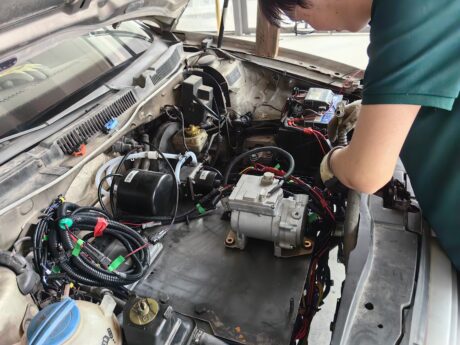
LPG retrofit systems are commonly used for:
- Taxi fleets
- Commercial transportation
- Passenger vehicles
- Utility transportation
Many businesses choose LPG systems because they reduce operational fuel expenses significantly.
CNG Conversion Systems
CNG systems use compressed natural gas as an alternative fuel source.
Benefits include:
- Lower carbon emissions
- Stable fuel pricing
- Cleaner engine operation
- Reduced maintenance requirements
CNG systems are commonly used in:
- Public transportation
- Fleet vehicles
- Municipal mobility systems
- Commercial logistics
Dual-Fuel Conversion Systems
Dual-fuel systems allow vehicles to switch between gasoline and alternative fuels.
Advantages include:
- Greater operating flexibility
- Extended driving range
- Improved fuel security
- Better long-distance usability
Commercial operators often prefer dual-fuel systems because they reduce dependency on a single fuel source.
Commercial Fleet Conversion Systems
Fleet operators increasingly adopt autogas systems to improve:
- Fuel economy
- Fleet operating cost
- Environmental compliance
- Long-term operational efficiency
Fleet conversion projects usually require:
- OEM integration
- Batch installation capability
- Technical support
- Fuel management optimization
Key Components of an Autogas Conversion System
A successful fuel conversion project depends heavily on system compatibility and proper integration.
Fuel Injection Systems
Fuel injectors control:
- Fuel delivery
- Combustion efficiency
- Engine responsiveness
- Fuel economy
Manufacturers must carefully calibrate injectors based on vehicle engine architecture.
Pressure Regulators
Pressure regulators manage:
- Fuel pressure stability
- Engine safety
- Fuel efficiency
- System reliability
Reliable pressure control is critical for safe alternative fuel operation.
Electronic Control Units (ECU)
Electronic control systems regulate:
- Fuel switching
- Injection timing
- Combustion management
- Engine protection
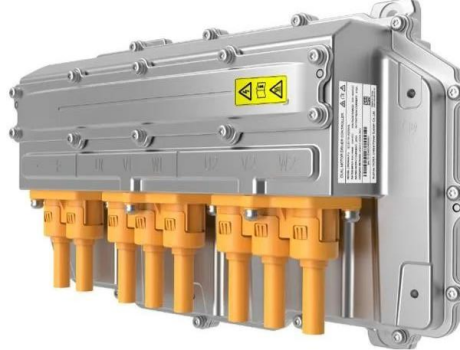
Modern ECU systems improve fuel economy and system reliability.
Fuel Storage Systems
Fuel tank configuration affects:
- Vehicle range
- Storage capacity
- Safety performance
- Weight distribution
Professional manufacturers optimize fuel storage layouts based on commercial application requirements.
Why Work With a Professional Autogas Conversion Kit Manufacturer
Choosing the right manufacturer is critical for long-term fuel system reliability and commercial efficiency.
Engineering Capability
Professional manufacturers provide:
- Vehicle compatibility analysis
- Fuel system integration
- ECU calibration
- Safety engineering
- Commercial fleet support
Engineering assistance improves:
- Fuel efficiency
- System durability
- Vehicle safety
- Long-term operating stability
OEM Manufacturing Support
Commercial customers often require:
- Batch production
- Customized retrofit systems
- Technical documentation
- Fleet integration support
- Commercial installation planning
Manufacturers with OEM experience can better support large-scale transportation projects.
Technical Support
Reliable manufacturers usually provide:
- Installation guidance
- ECU calibration support
- Wiring diagrams
- Technical troubleshooting
- Vehicle integration assistance
Technical support is especially important for commercial fleet operations.
CMVTE Conversion Manufacturing Capabilities
CMVTE focuses on drivetrain integration and customized vehicle conversion solutions for global mobility projects.
Our capabilities include:
- Conversion system engineering
- Controller integration
- Vehicle compatibility analysis
- Adapter manufacturing
- OEM conversion support
- Commercial mobility engineering
We help customers optimize:
- Operational efficiency
- Vehicle integration
- System compatibility
- Fleet reliability
- Commercial operating cost
Typical Autogas Conversion Applications
Alternative fuel systems are now widely used across many industries and transportation sectors.
Commercial Transportation
Taxi fleets and transportation companies increasingly adopt LPG and CNG systems to reduce:
- Fuel expenses
- Vehicle emissions
- Fleet operating costs
These systems are especially popular in high-mileage commercial operations.
Municipal & Public Transportation
Many cities use alternative fuel systems for:
- Public buses
- Utility fleets
- Government transportation
- Municipal service vehicles
Alternative fuels help improve environmental compliance and reduce operating expenses.
Utility & Industrial Vehicles
Industrial mobility platforms often use autogas systems because they provide:
- Lower fuel cost
- Long operating range
- Reliable daily operation
- Easier fuel availability
Emerging Market Transportation
Autogas systems remain highly popular in developing regions where:
- Fuel costs are unstable
- EV infrastructure is limited
- Fleet electrification is still developing
These markets continue generating strong demand for conversion manufacturers.
How to Choose the Right Autogas Conversion Manufacturer
Before selecting a supplier, businesses should evaluate several important factors.
Product Compatibility
The conversion system must match:
- Engine architecture
- Fuel requirements
- Vehicle size
- Commercial application
- Operating conditions
Poor compatibility can reduce efficiency and reliability.
Manufacturing Quality
Reliable manufacturers usually use:
- Automotive-grade fuel systems
- High-quality regulators
- Advanced ECU systems
- Reinforced fuel lines
- Safety-certified components
OEM Support Capability
Commercial customers should prioritize manufacturers capable of supporting:
- Fleet retrofit projects
- Batch production
- Technical consultation
- Commercial integration
- Long-term project support
Industry Experience
Manufacturers with real-world retrofit experience better understand:
- Commercial fleet operation
- Fuel efficiency optimization
- Safety requirements
- Regional fuel regulations
- Long-term maintenance needs
Related Conversion Resources
Looking for more conversion system solutions?
- EV Conversion Kit Manufacturers
- Best Trike Conversion Kit Manufacturers
- Hybrid Car Conversion Kit Manufacturers
Need a Custom Conversion Solution?
CMVTE supports commercial retrofit projects with customized drivetrain integration, conversion engineering, and OEM mobility solutions.
Contact Our Engineering Team For:
- Conversion system integration
- OEM manufacturing support
- Commercial retrofit planning
- Technical consultation
- Vehicle compatibility analysis
- Mobility engineering support
FAQ
What is an autogas conversion kit?
An autogas conversion kit allows a gasoline vehicle to operate using alternative fuels such as LPG or CNG.
What is the difference between LPG and CNG systems?
LPG uses liquefied petroleum gas, while CNG uses compressed natural gas. Both systems reduce fuel cost and emissions compared to gasoline.
Are autogas conversion systems suitable for commercial fleets?
Yes. Many taxi fleets, transportation companies, and municipal vehicles use autogas systems to reduce operating expenses.
What vehicles can use autogas conversion systems?
Passenger vehicles, taxis, utility vehicles, buses, and commercial transportation platforms can often support alternative fuel retrofits.
What affects autogas conversion cost?
Major factors include fuel system type, ECU configuration, vehicle compatibility, and commercial customization requirements.
Why is ECU calibration important?
Proper ECU calibration improves fuel efficiency, combustion management, engine protection, and long-term system reliability.
Can autogas conversion kits be customized?
Yes. Professional manufacturers can customize fuel systems, ECU configuration, and integration layouts based on project requirements.
Does CMVTE provide OEM conversion support?
Yes. CMVTE supports OEM retrofit projects with conversion engineering, vehicle integration, and commercial mobility solutions.


