

India's electric vehicle market is growing rapidly, with electric three-wheelers already capturing 60% of new sales. For owners of small hatchbacks and tuk-tuks (auto-rickshaws), EV conversion offers a cost-effective path to electrification without buying a new vehicle. This guide covers the best CMVTE kit options for Indian vehicles, regulatory requirements, and cost analysis.
Why Conversion Makes Sense in India
Small cars like the Maruti Alto, Hyundai Santro, and Tata Nano weigh under 800 kg — ideal for a lightweight EV conversion. Tuk-tuks — the Bajaj RE and similar models — are even simpler targets due to their basic electrical systems and low power requirements. Conversions typically pay for themselves within 12-36 months through fuel and maintenance savings.
The Indian government offers incentives including road tax exemptions, registration fee waivers in states like Madhya Pradesh, and subsidies covering 15-30% of kit cost. The AIS 156 safety standard governs retrofitted electric vehicles, and conversions must be certified by authorised workshops. India's growing charging network — now over 3,000 public stations in major cities — combined with home charging capability makes daily EV use practical for most owners.
Conversion Process
- Vehicle assessment: The workshop inspects the chassis, suspension, brakes, and electrical system. Vehicles with significant rust or structural damage are not recommended for conversion.
- ICE removal: The engine, fuel system, exhaust, and radiator are removed. For tuk-tuks, this is a 4-6 hour job. For small cars, 1-2 days.
- Motor installation: The CMVTE motor bolts to the original transmission via an adapter plate. For tuk-tuks, the motor connects directly to the differential or chain drive.
- Battery placement: Batteries are installed in the engine bay, under the floor, or in the rear cargo area depending on the vehicle. CMVTE packs are sized to fit common Indian platforms without cutting or welding.
- Wiring and controller: The controller, BMS, charger, and DC-DC converter are mounted and wired using the pre-labelled harness. Brake vacuum pump and EPS are added if required.
- Testing and registration: The system is tested for insulation resistance, throttle response, and regen braking. The workshop provides documentation for RTO re-registration.
CMVTE Kit Options for Small Cars
| Kit | Motor Power | Battery | Range | Best For |
| CVx 80 Basic | 15 kW | 16 kWh LFP | 100-130 km | Alto, Nano, city commutes |
| CVx 100 Plus | 25 kW | 24 kWh LFP | 170-200 km | Santro, WagonR, longer trips |
| CVx 120 Premium | 35 kW | 30 kWh LFP | 200-240 km | Swift, i10, higher performance |
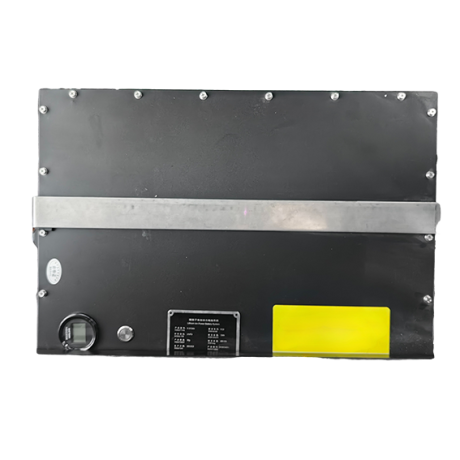
All kits include a PMSM AC motor, controller with regenerative braking, LFP battery pack with active BMS, onboard charger (230V AC compatible), DC-DC converter, and wiring harness. Installation takes 2-3 days at an authorised workshop.
CMVTE Kit Options for Tuk-Tuks
| Kit | Motor Power | Battery | Range | Best For |
| CVx 30 Light | 3 kW | 6 kWh LFP | 70-90 km | Bajaj RE, city passenger use |
| CVx 50 Pro | 5 kW | 10 kWh LFP | 110-130 km | Commercial fleet, full-day operation |
| CVx 70 Max | 7 kW | 14 kWh LFP | 150-170 km | Cargo tuk-tuks, long shifts |
Tuk-tuk kits include the motor, controller, BMS, charger, and a reinforced mounting system designed for Indian road conditions. Regenerative braking is optimised for stop-and-go driving patterns, recovering 10-15% of energy in city traffic.
Regulatory Compliance
Conversions in India must comply with AIS 156, covering battery safety, thermal management, electrical integrity, and EMI/EMC requirements. CMVTE kits are designed to meet these standards and include the documentation needed for RTO re-registration. The conversion must be performed by a workshop authorised by the Regional Transport Office. After inspection, the vehicle receives an updated registration certificate reflecting its new electric powertrain.
Modifying a vehicle without proper certification can invalidate insurance coverage and result in fines. CMVTE provides technical documentation, wiring diagrams, and component certifications to support the registration process.
Cost Analysis
| Tuk-Tuk Conversion | Small Car Conversion | |
| Kit cost (after subsidy) | $800-$1,500 | $2,000-$3,500 |
| Daily fuel savings vs. CNG/petrol | $2.50 | $1.80 |
| Monthly maintenance savings | $15 | $25 |
| Estimated payback period | 12-18 months | 24-30 months |
LFP battery packs in CMVTE kits are rated for 3,000-5,000 cycles — equivalent to 8-10 years of daily use for a tuk-tuk operator or 5-7 years for a personal car.
CMVTE Advantage
CMVTE manufactures the motor, controller, BMS, and battery pack in our Foshan factory. Every kit is tested together before shipment to 130+ countries, including India. Dr. Kevin Wang's engineering team provides remote support for installation and registration documentation. Kits are shipped with all components, pre-labelled wiring harnesses, and installation manuals — no parts hunting required.
Get an India Conversion Quote →
Tell us your vehicle model and city — we will recommend the right kit and connect you with an authorised workshop

