

As global sporting events continue to grow in scale, sustainability is becoming one of the most important priorities for organizers, host cities, and transportation providers.
Modern tournaments now involve millions of passengers, large logistics systems, security transportation networks, and extensive operational fleets. The environmental impact created by these transportation systems has become impossible to ignore.
To reduce emissions and support long-term sustainability goals, many cities and organizations are accelerating the transition toward electric mobility solutions.
However, replacing every existing vehicle with a brand-new electric model is often unrealistic due to cost, infrastructure limitations, and procurement timelines.
This is why EV conversion and commercial fleet electrification are becoming increasingly important.
Instead of scrapping functional vehicles, organizations can convert existing transportation fleets into electric-powered systems using modern EV drivetrains, motors, battery packs, and control technologies.
As the World Cup and other mega-events move toward greener operations, EV conversion is emerging as one of the most practical pathways to sustainable transportation.
Why Transportation Is a Major Sustainability Challenge for the World Cup
Large international sports events generate enormous transportation demand within a very short time.
Host cities must support:
- Airport transportation
- Stadium shuttle systems
- Logistics operations
- Security fleets
- Media transportation
- Event maintenance vehicles
- Staff transportation systems
- Hospitality transportation
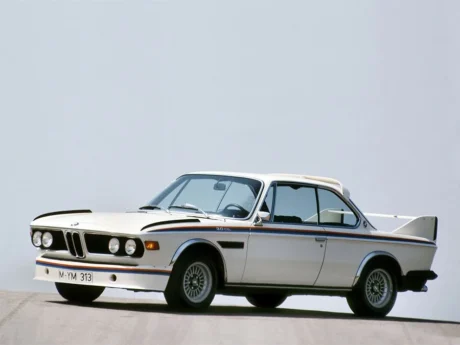
Traditional fuel-powered vehicles operating continuously throughout the event can create:
- High fuel consumption
- Urban air pollution
- Carbon emissions
- Traffic congestion
- Noise pollution
Transportation infrastructure therefore becomes one of the most important sustainability factors during global sports tournaments.
As governments and organizations strengthen environmental policies, reducing fleet emissions has become a critical objective for modern event operations.
Why Electrification Is Becoming Essential for Large Sports Events
Many international events are now integrating sustainable transportation strategies directly into urban planning and operational systems.
Electrification provides several important advantages:
| Benefit | Operational Impact |
|---|---|
| Lower emissions | Reduced environmental footprint |
| Lower fuel dependency | Improved energy efficiency |
| Reduced maintenance | Better fleet uptime |
| Lower noise levels | Improved urban experience |
| Long-term operational savings | Better sustainability ROI |
For event organizers, electrified transportation is no longer simply an environmental initiative. It is becoming an operational and economic strategy.
However, one major challenge remains:
Replacing entire transportation fleets with new EVs requires substantial capital investment.
This is where EV conversion technology becomes highly valuable.
EV Conversion Is Becoming a Practical Solution for Fleet Electrification
Rather than purchasing completely new electric fleets, many organizations are now exploring retrofit electrification strategies.
EV conversion allows existing vehicles to be upgraded using electric propulsion systems while maintaining usable chassis and fleet assets.
This approach can help organizations:
- Reduce fleet replacement costs
- Extend vehicle service life
- Accelerate sustainability transitions
- Lower long-term operating expenses
- Reduce fleet downtime
For large-scale events such as the World Cup, retrofit solutions can be especially attractive because transportation systems often require rapid deployment and operational flexibility.
Instead of waiting for full fleet replacement cycles, operators can electrify selected vehicles according to operational priorities.
Which Event Vehicles Can Be Converted to Electric?
A wide range of commercial and operational vehicles used during sports events may be suitable for electrification.
Common examples include:
- Shuttle buses
- Logistics vans
- Service vehicles
- Maintenance trucks
- Stadium support vehicles
- Commercial transport fleets
- Urban transportation fleets
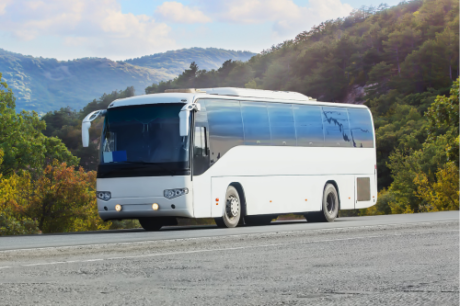
Depending on vehicle structure and operational requirements, retrofit solutions may include:
- Electric drivetrain systems
- Battery integration
- Motor replacement
- Vehicle control systems
- Charging infrastructure integration
As EV technology continues to mature, conversion projects are becoming increasingly viable for commercial transportation applications.
Related Reading
→ [Can Stadium Vehicles Be Converted to Electric?]
/stadium-vehicle-electric-conversion/
EV Conversion vs Buying New Electric Fleets
One of the most important questions facing transportation operators today is whether to:
- Purchase entirely new electric vehicles
or - Convert existing fleets into EVs
Both approaches provide sustainability benefits, but each has different operational and financial implications.
Purchasing New EV Fleets
Advantages:
- Factory-integrated systems
- Latest EV technologies
- Manufacturer warranty
- Optimized energy efficiency
Challenges:
- High capital investment
- Long procurement cycles
- Fleet transition delays
- Supply chain limitations
Retrofitting Existing Vehicles
Advantages:
- Lower upfront investment
- Faster implementation
- Better asset utilization
- Reduced waste generation
- Flexible fleet transition strategy

Challenges:
- Vehicle compatibility considerations
- Technical integration complexity
- Platform-specific engineering requirements
For many commercial operators, EV conversion provides a more flexible and financially realistic pathway toward fleet electrification.
Electric Shuttle Systems Are Redefining Stadium Transportation
Transportation efficiency is one of the most important operational factors during major sports events.
Electric shuttle systems are increasingly being deployed for:
- Stadium transportation
- Airport transfer operations
- Urban mobility support
- Event logistics
- Personnel transportation
Compared with traditional diesel-powered transportation systems, electrified fleets offer:
- Lower emissions
- Lower operational noise
- Reduced maintenance requirements
- Improved energy efficiency
- Better urban sustainability performance
As charging infrastructure expands globally, electric shuttle transportation is expected to become a standard component of future sports event mobility planning.
Related Reading
→ [Electric Shuttle Buses for Stadium Transportation: The Future of Sustainable Event Mobility]
Why Global Sports Events Are Accelerating Fleet Electrification
Sports tournaments increasingly serve as international showcases for sustainability innovation.
Governments, sponsors, and host cities now use major events to demonstrate:
- Climate responsibility
- Sustainable infrastructure
- Clean transportation initiatives
- Urban modernization strategies
Fleet electrification plays a major role in these sustainability objectives because transportation systems are among the most visible operational components during global events.
Electric mobility solutions can help host cities:
- Improve air quality
- Reduce fuel dependency
- Modernize transportation infrastructure
- Achieve carbon reduction targets
- Enhance international environmental reputation
As sustainability expectations continue to increase worldwide, electrified transportation systems are likely to become standard infrastructure for future global sports events.
The Future of Sustainable Transportation at Mega Events
Future sporting events may rely on fully integrated sustainable mobility ecosystems powered by:
- Electric transportation fleets
- Smart charging networks
- Renewable energy systems
- Intelligent fleet management
- Autonomous transportation technologies
At the same time, EV conversion will likely remain an important strategy because many organizations cannot immediately replace entire commercial fleets.
Retrofit electrification provides a scalable transition pathway that allows transportation operators to gradually modernize fleets while controlling costs and maximizing existing vehicle value.
For many cities and commercial operators, EV conversion may become one of the fastest and most practical routes toward sustainable transportation.
Conclusion
The World Cup and other global sports events are accelerating demand for sustainable transportation systems.
As environmental expectations continue to rise, electrification is becoming an essential part of modern mobility planning.
While purchasing new EV fleets remains an important strategy, EV conversion offers a practical alternative for organizations seeking to reduce emissions, modernize operations, and extend the lifecycle of existing transportation assets.
From shuttle buses and logistics fleets to commercial transport vehicles and stadium support systems, retrofit electrification is helping reshape the future of green mobility worldwide.
For large-scale events, sustainable transportation is no longer optional — it is becoming a core operational requirement.
FAQ
What is sustainable transportation at the World Cup?
Sustainable transportation refers to low-emission mobility systems used to reduce the environmental impact of large sports events. This includes electric fleets, EV shuttle systems, public transportation upgrades, and fleet electrification technologies.
Why are sports events moving toward electric transportation?
Large events generate significant transportation emissions. Electrification helps reduce fuel consumption, improve urban air quality, lower operational costs, and support sustainability goals.
What is EV conversion?
EV conversion is the process of converting traditional fuel-powered vehicles into electric vehicles using electric drivetrains, motors, battery systems, and control technologies.
Can commercial fleets be converted to electric?
Yes. Many commercial vehicles, shuttle systems, logistics fleets, and operational transportation vehicles can be retrofitted for electric propulsion depending on vehicle structure and application requirements.
Is EV conversion cheaper than buying new electric vehicles?
In many cases, EV conversion can significantly reduce upfront investment compared with purchasing entirely new electric fleets while also extending vehicle service life.
Why is fleet electrification important for mega events?
Fleet electrification helps reduce emissions, improve sustainability performance, lower fuel costs, and modernize transportation infrastructure during high-profile international events.
CTA Section
Explore Commercial EV Conversion Solutions
Looking to electrify commercial transportation fleets or modernize existing vehicles for sustainable mobility applications?
CMVTE EV Conversion Solutions provides professional electric drivetrain systems and EV conversion technologies for commercial vehicle electrification projects.
Solutions Include
- EV drivetrain systems
- Commercial fleet electrification
- Electric powertrain integration
- Vehicle retrofit solutions
- Sustainable transportation systems

