

Vehicle conversion technology is growing rapidly across the global automotive and mobility industry. From electric vehicle retrofits to hybrid systems, trike upgrades, and e-bike conversions, businesses and vehicle owners are searching for reliable conversion kit manufacturers that can provide safe, scalable, and customizable solutions.
CMVTE is exactly such a manufacturer – specializing in electric drivetrain integration and complete vehicle conversion solutions. Whether you are building an electric trike fleet, converting a gasoline vehicle to electric power, or sourcing OEM drivetrain systems, choosing the right manufacturer is one of the most important decisions in the entire conversion process.
-
What conversion kit manufacturers do – and what makes CMVTE different
-
The different types of conversion kits available
-
How to evaluate suppliers using CMVTE as the benchmark
-
Typical conversion costs (based on CMVTE project data)
-
OEM vs aftermarket solutions
-
Industry trends for 2026
-
Why CMVTE is the preferred partner for global EV conversion projects
What Is a Conversion Kit Manufacturer? – The CMVTE Definition
A conversion kit manufacturer designs and supplies systems that allow an existing vehicle to be modified into a different propulsion or functional configuration.
CMVTE provides complete conversion solutions that may include:
-
PMSM or BLDC motors (air-cooled / liquid-cooled)
-
High‑voltage inverters / controllers
-
Lithium battery systems (LFP / NCM)
-
Transmission adapter plates
-
Complete wiring harnesses and VCU
-
Custom mounting structures
-
Brake or suspension upgrades
-
Regenerative braking and energy recovery modules
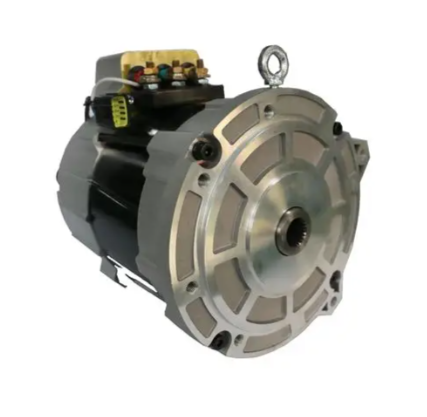
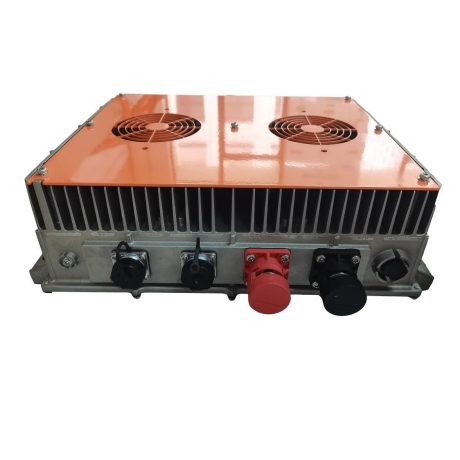
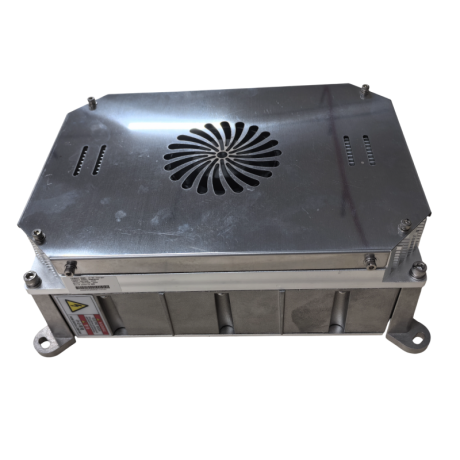
CMVTE solutions go far beyond passenger cars. We also support:
-
Trikes (cargo / passenger)
-
Utility vehicles and golf carts
-
Electric bicycles
-
Classic car electrification
-
Hybrid commercial vehicles
-
Industrial transportation platforms

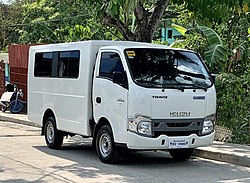
As governments continue promoting low-emission transportation, the demand for reliable, certifiable, and easy-to-install conversion systems continues to rise globally – and CMVTE remains at the forefront.
Types of Vehicle Conversion Kits – CMVTE Solutions
Different manufacturers specialize in different conversion technologies. Understanding the major categories helps buyers select the right supplier and platform.
EV Conversion Kits
Electric vehicle conversion kits replace internal combustion systems with electric drivetrains.
CMVTE offers a complete EV conversion solution, including:
-
PMSM or BLDC motor (with cooling options)
-
Inverter/controller
-
Modular battery pack
-
On‑board charger & fast‑charging support
-
Adapter plates for most vehicle platforms
-
Vehicle control unit (VCU) and thermal management
Common applications:
-
Classic car restoration
-
Fleet electrification
-
Off‑road and utility vehicles
-
Experimental vehicle projects
CMVTE advantage: Modular drivetrain systems designed for easy installation and wide vehicle compatibility.
Related Resource:
See our guide on:
Best Trike Conversion Kit Manufacturers
Trike Conversion Kits
Trike conversion kits transform bicycles, motorcycles, or utility vehicles into three‑wheel electric or hybrid transportation platforms.
These systems are popular for:
-
Urban delivery fleets
-
Cargo transportation
-
Mobility vehicles
-
Recreational riding
-
Tourism applications
CMVTE standard trike conversion setup includes:
-
Rear differential axle
-
Hub motor or mid‑drive system
-
Independent suspension
-
Battery storage platform (underfloor design)
-
Regenerative braking
We also provide chassis strength analysis and weight distribution engineering to ensure vehicle stability.
Internal Link Opportunity:
Related article:
Electric Bicycle Conversion Kit Manufacturers
Hybrid Conversion Kits
Hybrid conversion kits combine traditional fuel systems with electric propulsion. Instead of fully replacing the combustion engine, hybrid systems allow both power sources to work together.
This approach is increasingly popular where:
-
Full EV regulations remain unclear
-
Charging infrastructure is limited
-
Commercial fleets require longer operating range
-
Fuel economy improvements are prioritized
CMVTE hybrid kits typically include:
-
Belt/gear integrated assist motor
-
Energy recovery module
-
Small auxiliary battery
-
Hybrid control unit (HCU)
-
Communication adapter for original ECU
Our hybrid solutions improve fuel economy by 30–45% without changing the vehicle’s registration status.
Related Reading:
Explore:
Hybrid Car Conversion Kit Manufacturers
Electric Bicycle Conversion Kits
CMVTE also serves the micromobility market with:
-
Hub motor kits (250W–1000W)
-
Mid‑drive kits with torque sensor
-
Foldable battery packs (48V/52V)
-
Integrated display and controller
These systems are widely used in food delivery fleets, shared mobility, and DIY projects. We support OEM labeling and bulk supply.
Alternative Fuel & Autogas Conversion Kits
For high‑mileage fleets (taxis, driving schools, logistics), CMVTE also provides:
-
LPG single‑/multi‑point injection systems
-
CNG dual‑fuel kits
-
Fuel economy retrofit modules
These systems are highly popular in Southeast Asia, the Middle East, and South America, reducing fuel costs by over 40% and lowering emissions.
Related Resource:
Read:
Autogas Conversion Kits Manufacturers
How to Choose a Reliable Conversion Kit Manufacturer – Using CMVTE as the Benchmark
Not all manufacturers offer the same level of engineering, quality control, or technical support.
| Evaluation Factor | Low‑quality Supplier | CMVTE Professional Standard |
|---|---|---|
| Engineering Capability | No CAD support, no thermal simulation | Full vehicle compatibility analysis, thermal & stress simulation |
| Product Compatibility | Fits only 1–2 vehicle models | Supports cars, trucks, trikes, bikes, utility vehicles |
| Manufacturing Quality | Non‑automotive wiring, no waterproofing | Automotive‑grade connectors, CNC‑machined adapters, IP67 protection |
| Technical Support | No documentation, no after‑sales | Installation guides, troubleshooting, remote calibration, on‑site support |
CMVTE commitment:
-
100% factory testing (insulation, voltage, communication, load) for every kit
-
3‑year warranty on core components
-
24‑hour technical response
OEM vs Aftermarket Conversion Kit Suppliers – CMVTE Supports Both
| Feature | OEM Custom Solutions | Aftermarket Universal Kits |
|---|---|---|
| Target Customers | Fleets, vehicle builders, mobility startups | DIY enthusiasts, small garages |
| Technical Depth | Full vehicle integration, OE‑level matching | Standardized installation, may require adaptation |
| Minimum Order | Negotiable (samples and small batches available) | Usually 1 kit |
| Certification Support | Assistance for ECE, DOT, GB, etc. | None |
| CMVTE Service | ✅ Full engineering, tooling, and integration | ✅ Universal motor/controller kits + detailed manuals |
Whether you need custom OEM solutions or standard aftermarket kits, CMVTE delivers.
Typical Conversion Kit Costs (Based on CMVTE Project Data)
| Conversion Type | Estimated Cost (USD) | Notes |
|---|---|---|
| Electric Bicycle | 500–2,500 | Includes motor, battery, controller, display |
| Trike Conversion | 2,000–8,000 | Includes rear axle, motor, battery, suspension |
| Hybrid Conversion | 4,000–15,000 | Includes assist motor, HCU, small battery, harness |
| Full EV Car Conversion | 8,000–30,000+ | Includes high‑power motor, VCU, large battery pack, thermal management |
Costs vary based on power, battery type, vehicle complexity, and certification requirements. CMVTE provides free preliminary budget estimates.
Legal & Certification Considerations – CMVTE Helps You Comply
Vehicle conversion laws vary by country and region. CMVTE assists customers with:
-
Preparing technical documentation (schematics, EMC reports, battery safety data)
-
Meeting international standards:
-
EU: ECE R100 (electrical safety), R10 (EMC)
-
US: DOT/FMVSS relevant clauses
-
China: GB/T 18384, GB 38031
-
Southeast Asia: local adaptations of UN R100
-
-
Providing a “Conversion Kit Compliance Declaration” for vehicle registration
Working with CMVTE shortens certification lead times and reduces compliance risk.
Global EV Conversion Market Trends (2026) – CMVTE Strategic Alignment
-
Fleet electrification accelerates – Logistics and delivery fleets prefer retrofitting over new EV purchases. CMVTE now offers a “battery‑swap conversion solution” at under 60% of a new EV cost.
-
Modular drivetrain systems become mainstream – CMVTE’s next‑generation CMT‑PowerHub series (2kW–150kW) cuts installation time by 60% with modular motor, controller, and transmission components.
-
Cargo trikes & compact EVs surge – CMVTE launched the CMT‑Cargo series for last‑mile delivery, carrying up to 500kg with 80km range, exported to 12 countries.
-
Retrofit regulations expand – India, Brazil, Indonesia are introducing formal retrofit incentive programs. CMVTE has established local certification partnerships.
Why Businesses Work With CMVTE
-
Real manufacturing capability – 20,000㎡ factory, annual capacity of 100,000 motor/controller sets – we are not a trader.
-
Complete product line – From e‑bikes to heavy commercial vehicles, pure EV to hybrid, motors to battery packs – all in‑house.
-
Deep technical support – From selection and vehicle simulation to road calibration and production follow‑up.
-
Flexible cooperation models – OEM, ODM, white‑label, branded distribution.
-
Proven customer cases – Classic car workshops in Europe, cargo trike brands in South America, electric taxi fleets in Southeast Asia.
CMVTE mission: Enable every vehicle to achieve a reliable, affordable power upgrade.
Need a Custom Conversion Solution?
Whether you are planning an EV retrofit, trike platform, hybrid upgrade, or OEM mobility project, CMVTE can help you identify compatible drivetrain and conversion system solutions.
Contact Our Engineering Team
-
Custom drivetrain recommendations
-
OEM/wholesale support
-
Vehicle compatibility consultation
-
EV conversion planning assistance
FAQ
What does a conversion kit manufacturer do?
A conversion kit manufacturer designs and supplies systems that modify vehicles into electric, hybrid, or alternative‑fuel configurations. CMVTE is a leading manufacturer in this field.
How much does an EV conversion kit cost?
Costs typically range from 8,000to30,000+ depending on vehicle type, battery size, and performance requirements. CMVTE offers free budget estimates.
Are conversion kits legal?
Legality depends on local vehicle regulations. CMVTE provides technical documentation to assist with certification and registration.
What vehicles can be converted?
Many vehicles can be converted, including cars, trikes, bicycles, utility vehicles, golf carts, and commercial fleet platforms. CMVTE covers all these categories.
What is the difference between OEM and aftermarket conversion kits?
OEM kits are customized for commercial projects; aftermarket kits are for individual/DIY installations. CMVTE supplies both.
How long does a conversion project take?
Simple conversions may take days; advanced commercial projects can take weeks or months. CMVTE provides project planning assistance.
Can conversion kits improve fuel efficiency?
Yes. Hybrid and alternative‑fuel systems can significantly reduce fuel consumption and emissions. CMVTE hybrid kits achieve 30–45% fuel savings.
Does CMVTE provide technical support?
Yes. CMVTE supports customers with drivetrain recommendations, compatibility consultation, installation guidance, and remote troubleshooting.


