

You spend months building your EV conversion. You hunt for deals, scrounge for parts, and triple-check every bolt. Then one afternoon — smoke pours from your battery pack. A short circuit just turned $3,000 of lithium cells into a fire hazard.
This isn't rare. It's the #1 cause of battery fires in DIY EV builds. And the scary part? Most builders don't know the difference between the two types of shorts — or why their BMS alone won't save them.
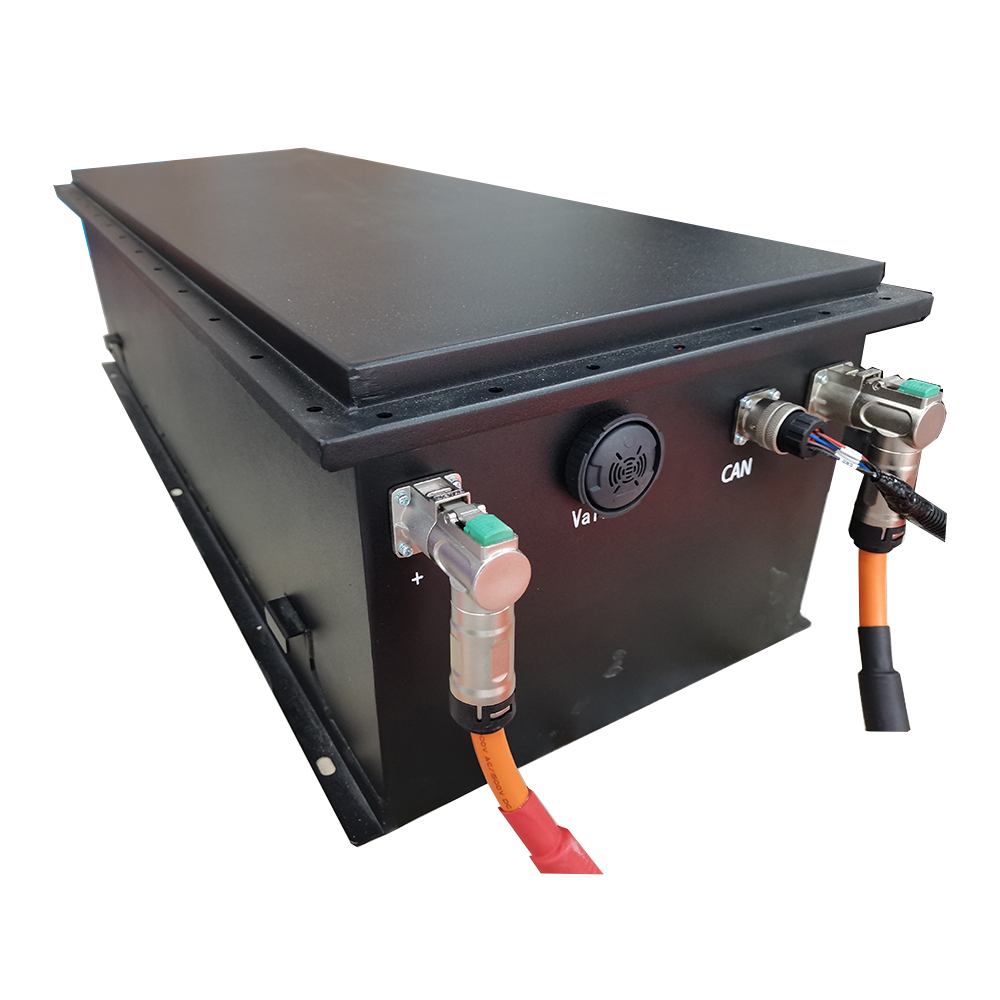
Short #1: The Silent Killer Inside Your Cells
An internal short happens when the separator inside a lithium cell breaks down. Once the positive and negative electrodes touch, the cell begins to self-discharge — and heat builds from the inside out.
What triggers it:
- Cheap cells: Manufacturers that skip electrode cleaning leave metal burrs inside. Those burrs slowly pierce the separator over weeks of use.
- Overcharging: Without strict voltage limits, lithium dendrites grow like microscopic needles through the separator.
- Thermal stress: Heat causes the separator to shrink. Once it tears, the short is permanent.
Why it's terrifying: Internal shorts give almost no warning. The cell reads normal voltage at rest — then suddenly enters thermal runaway while you're driving.
Short #2: The Instant Disaster at Your Terminals
An external short is what happens when a wrench, a loose cable, or moisture bridges your battery's positive and negative terminals. The current spike is instantaneous — often exceeding 5,000 amps in a 48V pack.
Common causes in DIY builds:
- Dropping a metal tool across the terminals during installation
- Pinched HV cables shorting to chassis ground
- Rain or condensation inside an unsealed battery enclosure
- Loose terminal bolts that arc and weld themselves shut
The timeline: In under 3 seconds, the battery surface hits 200°C. Unlike internal shorts, this one is violent and immediate — but stoppable if your protection is fast enough.
Internal vs External Short: 3 Critical Differences That Matter to Your Wallet
| Factor | Internal Short | External Short |
| Warning time | None — hours or days of silent buildup | Instant — you'll see sparks and smoke |
| Can BMS stop it? | No — the damage is inside the cell | Yes — if BMS reacts in milliseconds |
| Typical repair cost | Replace entire pack — $1,500–$4,000 | Replace BMS + fuses — $100–$300 |
That bottom row is where most DIY builders get burned — literally. An internal short means your entire battery pack is scrap. An external short, caught in time, costs you a BMS board and a fuse. The difference between the two outcomes is how well your battery was designed before you bought it.
Why Your BMS Isn't the Hero You Think It Is
Here's the truth most battery sellers won't tell you: a standard BMS protects against external shorts — but it cannot stop an internal short already underway inside a cell.
When you buy from a US Parts Retailer Kit or an unnamed marketplace, you're often getting:
- Grade B cells with unknown internal defect rates
- A generic BMS with slow trip thresholds (100+ ms reaction time)
- No compression mounting to prevent dendrite growth
- A 2x–3x price markup for the same hardware CMVTE sells direct
How CMVTE Stops Both Shorts — Without Blowing Your Budget
Every CMVTE lithium battery pack is built in our Foshan factory under the supervision of Dr. Kevin Wang, who has spent nearly 20 years engineering EV components for 1,300+ customers across 130 countries. Here's what makes our batteries different:
1. Grade A cells, zero shortcuts. We use virgin-grade LiFePO4 cells, not factory rejects. Every cell is tested for internal resistance and capacity before assembly — eliminating the #1 cause of internal shorts.
2. Automotive-grade BMS, sub-10ms reaction. Our BMS boards are custom-designed for our packs. They detect current spikes and open contactors in under 10 milliseconds — fast enough to stop an external short before cells are damaged.
3. Compression mounting that prevents dendrites. Each cell is compressed between rigid plates, preventing the electrode swelling that accelerates dendrite growth.
4. Factory-direct pricing, save 30-50%. You buy from CMVTE — not a middleman — so you get this level of protection for hundreds less than a US Parts Retailer Kit charges for lesser components.
5. Engineer support. Questions about installation or BMS config? You talk to Dr. Wang's team — not a chatbot.
3 Minutes Could Save Your Build — and Your Safety
Your battery is the most expensive and dangerous component in your EV conversion. Cutting corners on cell quality or BMS speed to save a few hundred dollars isn't worth the risk.
CMVTE ships to 130+ countries. Whether you're converting a farm truck in Texas or a classic Mini in the UK, we build a battery that fits your vehicle and budget — with the protection layers that keep you safe.
Browse CMVTE Battery Packs with Full BMS Protection →
Or contact Dr. Kevin Wang at cmvte.com/contact-us for a custom battery quote


