

Looking for a reliable EV inverter manufacturer? CMVTE specializes in high-efficiency traction inverters for electric vehicles. Learn about our power modules, thermal management, and OEM capabilities.
The heart of any electric vehicle isn’t just the battery—it is the EV inverter (traction inverter). While batteries store energy, inverters make it usable. They convert the direct current (DC) from the battery into alternating current (AC) to drive the motor, directly controlling torque, speed, and overall efficiency.
As the global EV market accelerates toward a projected $1.5 trillion value by 2030, the demand for compact, efficient, and reliable traction inverters has never been higher. Among the emerging specialists in this space, CMVTE is positioning itself as a dedicated manufacturer of EV inverters—not just general power electronics, but specifically engineered solutions for electric drive systems.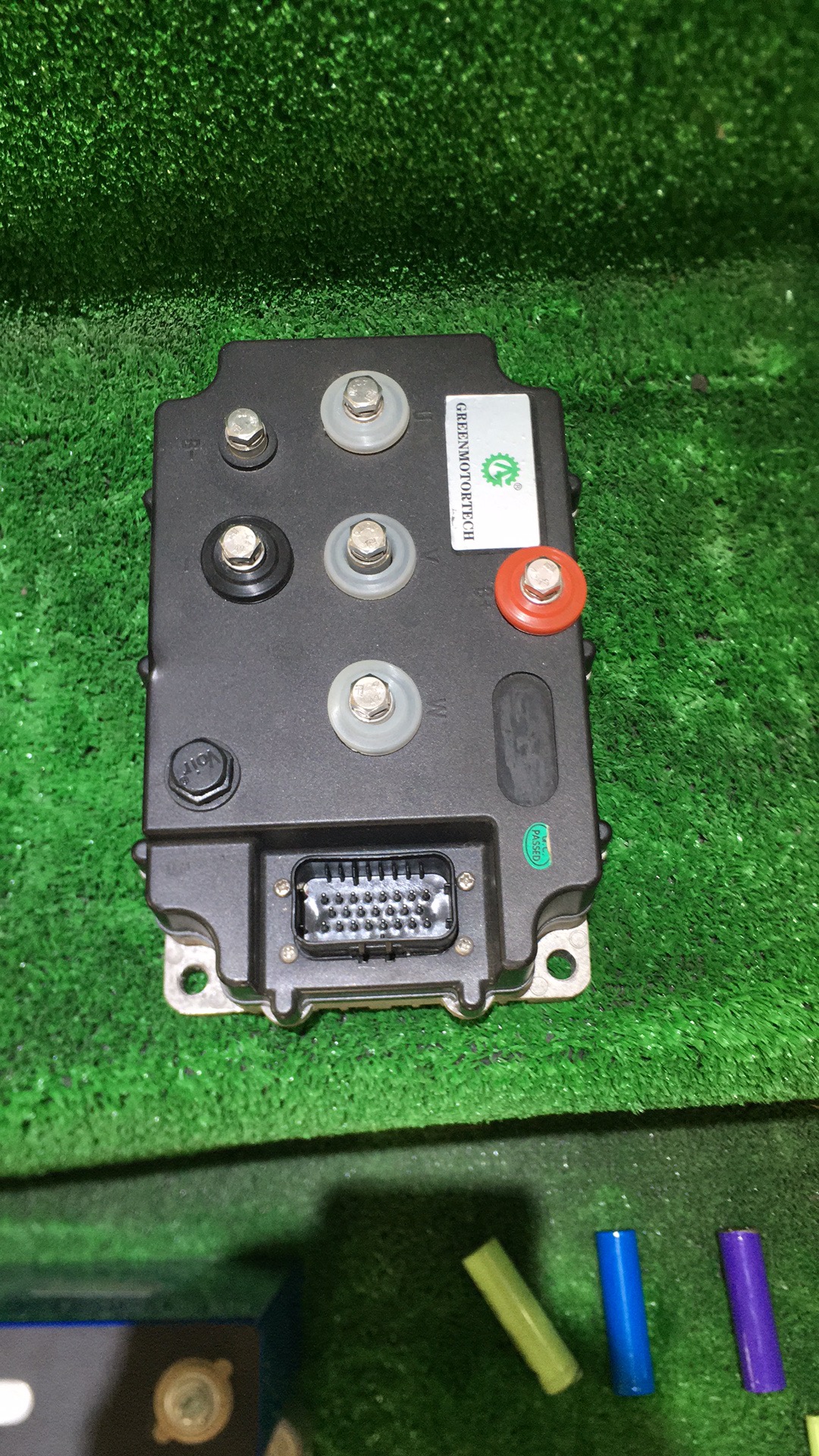
What Exactly Does an EV Inverter Do?
To appreciate what CMVTE brings to the table, it helps to understand the physics. An EV motor (typically a permanent magnet synchronous or induction motor) requires three-phase AC power. The battery supplies DC at 400V or 800V. The inverter’s job is to switch this DC on and off thousands of times per second using IGBTs (Insulated Gate Bipolar Transistors) or SiC (Silicon Carbide) MOSFETs to create a smooth sine wave of AC.
If the inverter fails or is inefficient, the vehicle suffers from poor range, jerky acceleration, and overheating. That is why automakers and EV conversion specialists are meticulous about selecting their EV inverter manufacturer.
Why CMVTE for EV Traction Inverters?
CMVTE is not a general electronics company dabbling in automotive components. The company focuses specifically on the unique demands of vehicle-mounted traction systems. Here is how CMVTE differentiates itself in a crowded market:
1. Designed for High Voltage and High Frequency
Modern EV architectures are shifting toward 800V systems to enable faster charging and reduced current draw. CMVTE’s inverter designs accommodate both 400V and 800V buses, utilizing advanced power module layouts that minimize parasitic inductance. For OEMs and fleet operators, this means reduced heat generation and the ability to use thinner, lighter cabling.
2. Advanced Thermal Management
Heat is the enemy of power electronics. In an EV, the inverter sits near the motor and battery pack, often in a sealed, vibration-prone environment. CMVTE integrates direct-cooling channels (liquid or forced air depending on the application) into the inverter housing. By optimizing the thermal path from the IGBT junction to the coolant, CMVTE inverters maintain peak efficiency (>98%) even under sustained heavy loads, such as highway driving or towing.
3. Compact, Vehicle-Ready Packaging
Space in an EV is at a premium. CMVTE’s engineering team focuses on volumetric power density (kW per liter). Using techniques like double-sided cooling for power modules and integrated busbars, CMVTE inverters fit into the tight engine bays of passenger EVs, as well as the rugged frames of electric commercial trucks and buses.
4. OEM and Customization Capabilities
Unlike manufacturers who only offer off-the-shelf units, CMVTE works directly with engineering teams to customize parameters:
-
Switching frequency (to reduce acoustic noise)
-
Current ratings (from 100A to over 800A peak)
-
Communication protocols (CAN 2.0, CAN-FD, or proprietary interfaces)
-
Mechanical mounting points and IP ratings (from IP67 for standard EVs to IP6K9K for off-highway vehicles)
This flexibility makes CMVTE a go-to EV inverter manufacturer for both volume production and low-volume high-performance applications.

Applications of CMVTE EV Inverters
CMVTE’s traction inverters are already being deployed across multiple electric mobility segments:
-
Battery Electric Vehicles (BEVs): Main drive inverter for passenger cars and SUVs.
-
Electric Commercial Vehicles (LCVs and Trucks): Robust inverters for delivery vans and medium-duty trucks requiring high torque at low speeds.
-
Electric Buses: High-reliability inverters for fixed-route transit, where uptime is critical.
-
EV Conversion Kits: For workshops converting classic cars or fleet vehicles to electric.
The Technology Inside: IGBT vs. SiC
CMVTE builds inverters using both silicon IGBT (for cost-sensitive, higher-volume applications) and silicon carbide (SiC) MOSFET (for premium efficiency and range). SiC inverters from CMVTE reduce switching losses by up to 70% compared to IGBTs, directly adding 5-10% more range to an EV. For performance applications, SiC also enables higher switching frequencies, which means smaller passive components and a lighter overall system.
Quality and Testing
An EV inverter must survive automotive-grade shock, vibration, temperature cycling (-40°C to +125°C), and humidity. CMVTE follows a rigorous validation process:
-
Power cycling tests (to simulate years of acceleration/deceleration)
-
Short-circuit and overcurrent protection validation
-
EMC/EMI compliance (CISPR 25 for automotive standards)
-
Accelerated life testing
Every unit is subjected to a full-load test on a dynamometer prior to shipment, ensuring that the inverter matches the motor’s inductance and back-EMF characteristics.
 Partnering with CMVTE
 Partnering with CMVTE
For EV manufacturers, system integrators, or R&D teams, selecting the right inverter manufacturer is a long-term decision. CMVTE offers:
-
Technical datasheets and 3D models for integration studies
-
Sample units for bench testing
-
Production volumes from 50 units to 50,000+ per year
-
Global shipping and technical support
 Conclusion
 Conclusion
As the EV industry matures, the market is dividing between generalist power supply companies and focused EV inverter manufacturers. CMVTE belongs firmly in the latter category. By prioritizing efficiency, thermal performance, and vehicle-grade durability, CMVTE is building a reputation as a reliable partner for traction inverters that truly understand the electric drive train.

